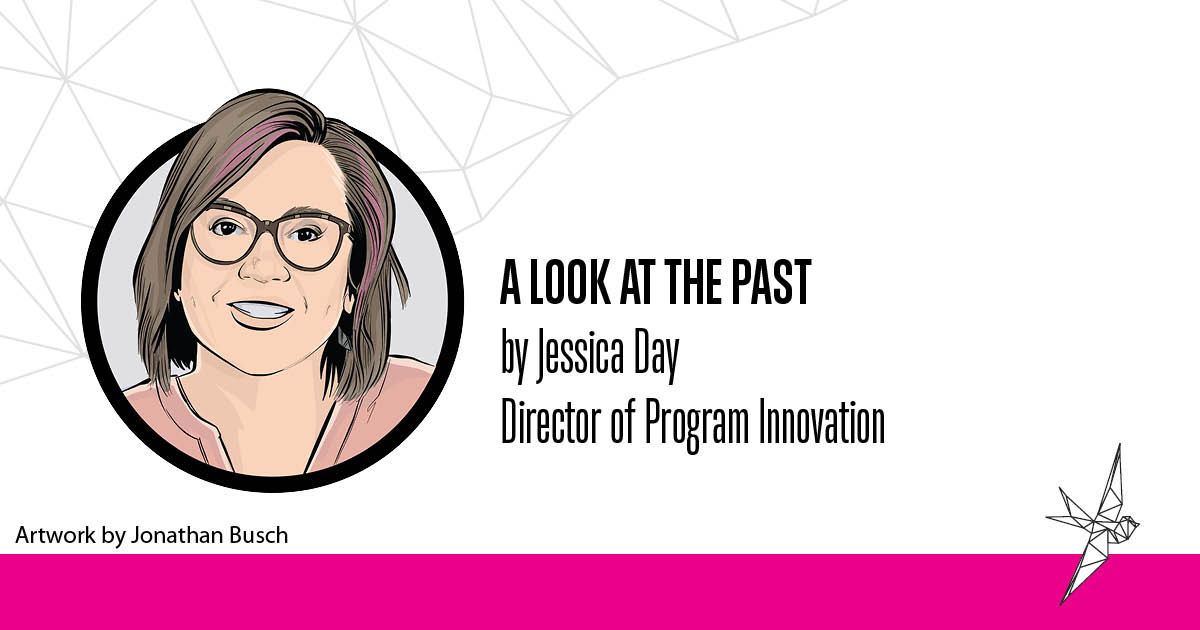
Jessica Day, Director of Program Innovation, has been working with vulnerable populations since obtaining her BA in Psychology from the University of Alberta in 2004. Jessica spent the early days…
read more
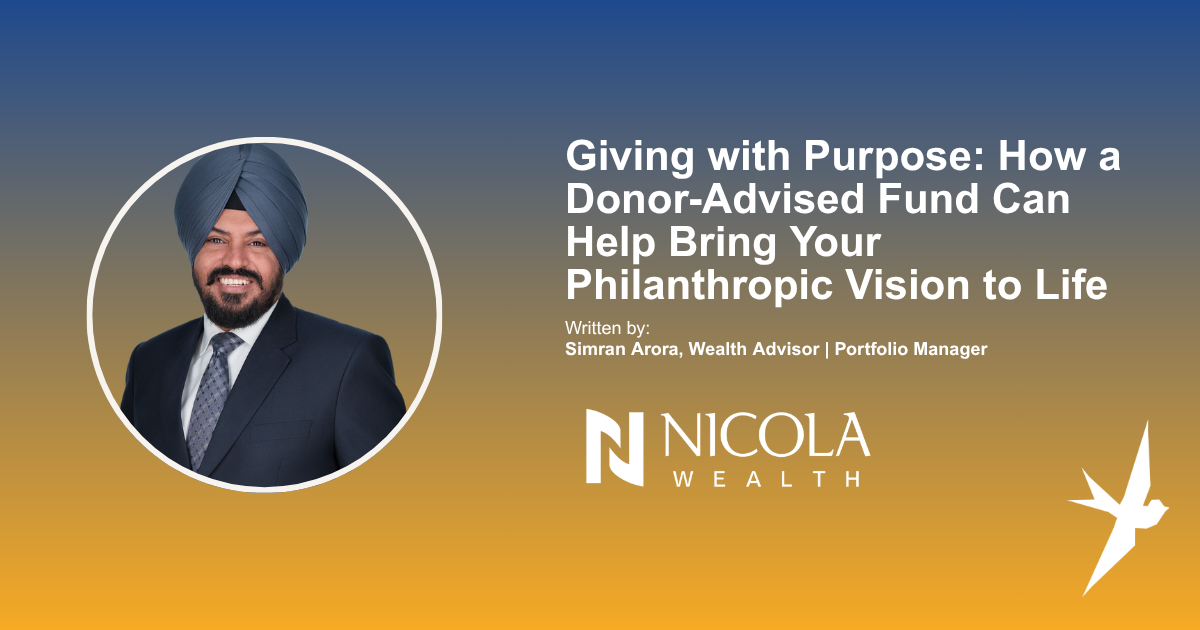
Written by
Simran Arora, Wealth Advisor | Portfolio Manager
For many families, true wealth is more than financial success. It is about the ability to make a positive impact on the people, organizations, and communities that matter most. As Canadians recognize DAF Day this fall and reflect on the impact of charitable giving, many are exploring how to make their philanthropy more intentional and enduring.
Most charitable journeys begin with a simple question: What kind of difference do we want to make?
Whether your passion is supporting local community programs, advancing medical research, helping vulnerable populations, improving educational opportunities, or protecting the environment, philanthropy can become a meaningful expression of your values.
A donor-advised fund (DAF) is one of the most effective tools available to help individuals and families organize their charitable giving, involve future generations, and create lasting impact.
What Is a Donor-Advised Fund (DAF)?
At its core, a donor-advised fund is a charitable account designed to simplify giving.
You contribute to the fund and receive a charitable tax receipt at that time. The funds can then be invested and distributed to registered charities over time based on your recommendations.
Rather than making donations on an ad hoc basis, a DAF allows you to create a dedicated pool of charitable capital that can be deployed thoughtfully and strategically as opportunities arise.
Most donors appreciate the flexibility this provides. You may make a significant contribution during a year when your income is particularly high, receive the associated tax benefit, and then take your time deciding where and how those charitable dollars can create the greatest impact.
In many ways, a donor-advised fund helps turn generosity into a more intentional and thoughtful practice.
Starting with Purpose
While the mechanics of a donor-advised fund are relatively straightforward, the most rewarding discussions often focus on something much deeper than taxes or administration. They focus on values.
When families begin exploring philanthropy, I often encourage them to reflect on a few important questions:
These conversations can be incredibly powerful.
They often reveal shared passions that may not have been discussed before and create opportunities for family members to align around a common purpose. In many cases, philanthropy becomes less about writing cheques and more about building a vision for the future.
A Valuable Tool for Family Engagement
One of the most inspiring aspects of a donor-advised fund is its ability to bring families together.
Many families use their DAF as a platform for engaging children and grandchildren in charitable decision-making. These discussions help younger generations develop an appreciation for both fiscal responsibility and community stewardship.
Some families hold annual meetings to discuss causes they care about and to decide collectively which organizations should receive grants from the fund. Others encourage younger family members to research charities and present recommendations.
The process often leads to conversations about values, priorities, and social responsibility that might not otherwise occur.
Over time, the donor-advised fund becomes much more than a charitable vehicle. It becomes part of the family’s legacy.
Ways to Fund a Donor-Advised Fund
Another advantage of donor-advised funds is their flexibility. There are many ways to contribute, depending on your circumstances and the assets you hold.
Cash
The simplest approach is a cash contribution. Funds are deposited directly into the donor advised fund and become available for future charitable granting.
Publicly Traded Securities
Many donors choose to contribute appreciated stocks, exchange-traded funds (ETFs), or mutual funds.
This strategy can be particularly attractive because it may allow donors to receive a charitable tax receipt based on the full market value of the securities while potentially avoiding capital gains tax that could otherwise arise if the investments were sold first.
Private Company Shares
For business owners, donating private company shares can be a powerful way to integrate philanthropy into broader tax and estate planning strategies, particularly around a future business sale or succession event.
Insurance
Another great way to fund a DAF is by gifting life insurance. If a donor has a permanent life insurance policy that is no longer needed for estate liquidity, income replacement, or business succession, the policy can be donated to a DAF rather than surrendered. The DAF can either:
Depending on the sponsoring organization, certain types of real estate holdings may also be donated, allowing donors to unlock charitable value from appreciated assets.
Because everyone’s circumstances are unique, it’s important to work alongside your tax, legal, and financial advisors to determine the most effective giving strategy.
Strategic Disbursements
One feature that many donors find appealing is the ability to be thoughtful and strategic when it comes to making disbursements.
Rather than making a one-time donation that is immediately spent, donors can create a structured charitable strategy that supports causes they care about for years.
For families interested in creating a legacy, this can be particularly meaningful. While the families are planning their disbursements, the capital can stay invested and potentially grow, enhancing the overall amount that is available for donations.
A Story of Purposeful Giving
Consider the example of a business owner who has spent decades building a successful company.
Following the sale of the business, she wants to give back but is not entirely certain which organizations she wishes to support long term. She knows she wants her success to benefit the broader community, but she wants to be thoughtful about where those dollars go.
By setting up a donor-advised fund, she contributes a portion of the sale proceeds and receives an immediate charitable tax receipt. Rather than rushing into multiple donations, she spends time learning about various charitable initiatives, meeting with community leaders, and understanding where support may be most impactful.
Over the following years, she directed grants toward programs focused on youth mentorship and mental health. The result is a philanthropic strategy that reflects both her values and her desire to create meaningful change.
A Family Legacy in Action
Another example involves a family that had supported numerous charities over the years but wanted a more coordinated approach to giving.
They established a donor-advised fund and invited their children and grandchildren to participate in annual discussions regarding charitable priorities.
Each generation brought different perspectives to the table. Some were passionate about education, while others were focused on environmental sustainability, healthcare, or newcomer support.
Together, they evaluated opportunities and recommended grants that aligned with their shared values.
The most meaningful outcome was not simply the amount donated. It was the opportunity to create a family tradition centered on generosity, gratitude, and community impact.
The conversations became as valuable as the contributions themselves.
Bringing Philanthropy into Your Overall Financial Plan
Like any important financial decision, charitable giving is often most effective when viewed within the context of a broader financial plan.
A donor-advised fund can help families:
Most importantly, it allows families to be intentional about the difference they want to make in the world.
Final Thoughts
While most financial planning discussions focus on growing and preserving wealth, some of the most rewarding conversations involve what we choose to do with that wealth.
A donor-advised fund provides an opportunity to turn charitable intentions into a thoughtful and lasting plan. It allows donors to support causes they care about, engage family members in meaningful discussions, and create a legacy that extends far beyond financial assets.
Ultimately, philanthropy is not simply about what we give, It is about the values we put into action, the communities we strengthen, and the legacy we create for future generations.
Simran Arora is a Wealth Advisor and Portfolio Manager at Nicola Wealth. He works with individuals and families to integrate financial planning, tax considerations, estate planning, and philanthropy into a comprehensive wealth strategy.
Nicola Wealth is a Canadian independent wealth management firm that helps families build, manage, and transfer wealth with purpose. Through integrated planning, including charitable giving and legacy planning, we help clients align their wealth with the values and impact they hope to create.
All investments contain risk and may gain or lose value. Please speak to your Nicola Wealth advisor for advice based on your unique circumstances. Nicola Wealth Management Ltd. (Nicola Wealth) is registered as a Portfolio Manager, Exempt Market Dealer and Investment Fund Manager with the required securities commissions.