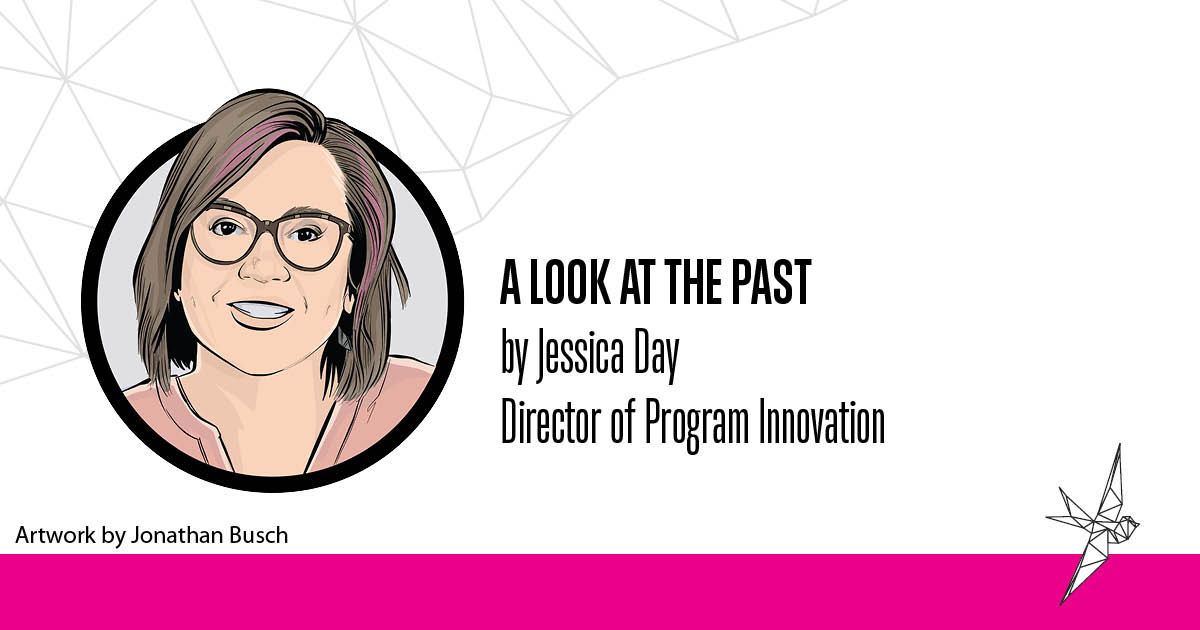
Jessica Day, Director of Program Innovation, has been working with vulnerable populations since obtaining her BA in Psychology from the University of Alberta in 2004. Jessica spent the early days…
read more
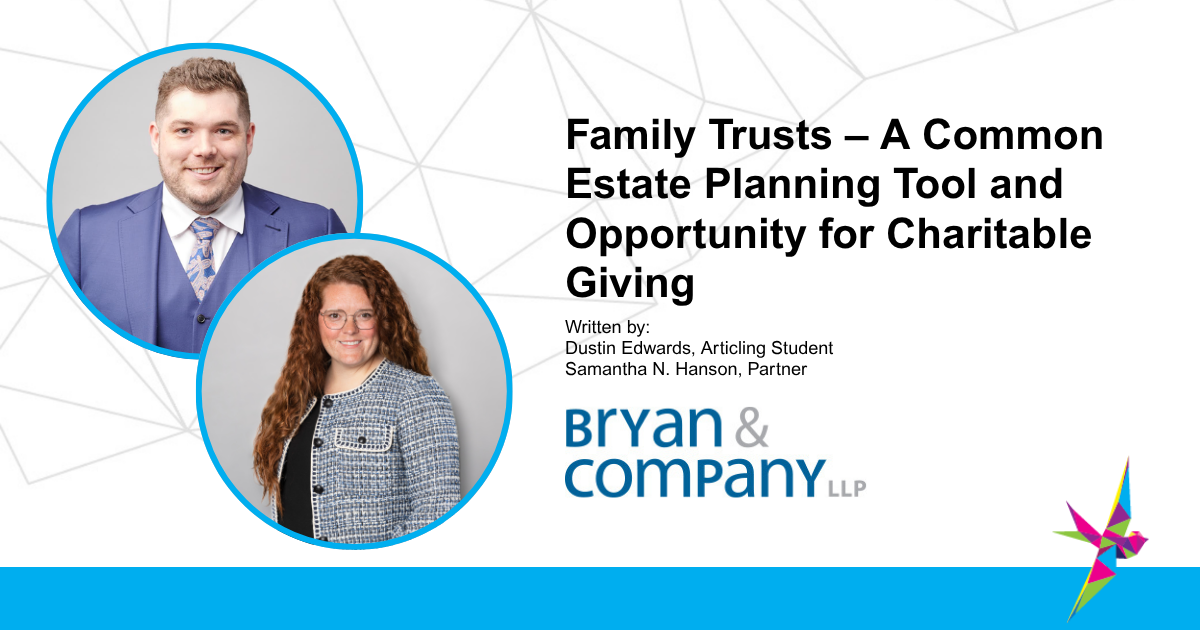
Written by
Dustin Edwards, Articling Student, and Samantha N. Hanson, Partner
Estate planning can be an intimidating process – it requires individuals and families to consider their priorities, set realistic goals, and sometimes make difficult decisions about the future. However, equipping yourself with knowledge of common estate planning tools can ease this process and help you develop a plan that works best for you and your family.
In this article, we will: (i) explore the topic of trusts, a common estate planning tool, (ii) outline how trusts can be used to manage your estate, and (iii) identify key considerations as to why establishing a trust might be a suitable estate planning tool for you.
A trust is a legal arrangement in which a person or entity (the settlor) transfers property or assets to a third party (the trustee) to hold and manage for the benefit of another party (the beneficiary). Trusts can be divided into two overarching categories: (i) trusts established while the settlor is still alive (inter vivos trusts), and (ii) trusts established upon the death of a settlor (testamentary trusts). Both types of trusts can be useful tools for managing your estate.
Trusts are typically, though not always, outlined in writing and specify the settlor, trustee(s), beneficiaries, and any relevant terms. Trusts involving real property must be in writing. Testamentary trusts are typically incorporated into the will of the settlor, so must also be in writing.
When the trust is settled the property or assets are transferred to the trustee, who holds the property or assets in trust for the beneficiaries. Distribution can either be discretionary, meaning the trustee has discretion over when and how trust funds are distributed, or non-discretionary, meaning the trustee must distribute the trust in accordance with the trust’s terms once the conditions for distribution have been met.
Unlike gifts, where the recipient acquires full title to the property or assets upon receiving them, trusts allow the settlor to dictate terms that must be followed by the trustee in distributing trust property to the beneficiary. This can be particularly useful when a beneficiary is unable to responsibly deal with the proposed property or assets, such as when the beneficiary is a minor, lacks capacity, or is otherwise not financially reliable.
There are important tax obligations that must be considered when determining if a trust is the right tool for your estate planning needs. For the purposes of taxation, a trust is deemed to be an individual. Any assets in the trust will be taxed while they are being held by the trustee. Upon distribution, the beneficiary will assume tax liability for any portion of the trust that becomes payable to them. Anybody considering using a trust as an estate planning tool should seek the advice of a tax expert prior to establishing the trust.
In addition, a trust cannot typically be distributed in a way that would violate the terms of the trust. However, there is an exception called the rule in Saunders v Vautier. This rule allows a beneficiary to extinguish a trust, contrary to the wishes of the settlor, if they are entitled to all of the actual and possible rights of beneficial ownership in the trust property. This can occur if a trust contains very specific beneficiary conditions without contingencies. Finally, trusts are not indefinite. Anybody considering a trust should be aware that there are statutory time limits to ensure that property is not held in the trust in perpetuity.
This is a complicated area of trust law, but generally trusts are subject to a deemed disposition of certain trust property every 21 years, which can have large tax consequences. If you are considering using a trust as a tool for your estate planning, it is important to consider whether the terms of your trust will allow distribution to beneficiaries within the 21 year timeframe and consult with a tax expert to fully understand any consequences of trust property or assets remaining in trust for longer than 21 years.
Although all trusts follow the same basic structure outlined above, trusts can be classified into different types depending on their goals and objectives. We will highlight two: family trusts and charitable trusts. The family trust, as its name suggests, is a mechanism used by a settlor to establish a fund for the benefit of their family. These are often inter vivos trusts, meaning they are trusts established while the settlor is still alive.
In many cases, these trusts are established by parents for the benefit of their children and grandchildren and can be effective tools for the distribution of assets and responsible succession planning.
Charitable purpose trusts are an interesting exception to the rule that a trust must be established for the benefit of a named beneficiary. These trusts can be established to benefit a charitable purpose, rather than a beneficiary. Since 1891, four types of charitable purpose trusts have been recognized in Canada: (i) trusts for the relief of poverty; (ii) trusts for the advancement of education; (iii) trusts for the advancement of religion; and (iv) trusts for other purposes beneficial to the community, which do not fall under any of the preceding heads: Pemsel v Special Commissioners of Income Tax, 1891 CanLII 21 (FOREP), [1891] AC 531 (HL).
Trusts can be useful tools in estate planning that allow flexibility and a degree of control for the settlor. However, ensuring the trust is enforceable and the best financial decision for all parties involved can be a difficult process. We recommend consulting legal and tax professionals prior to establishing a trust of any kind!